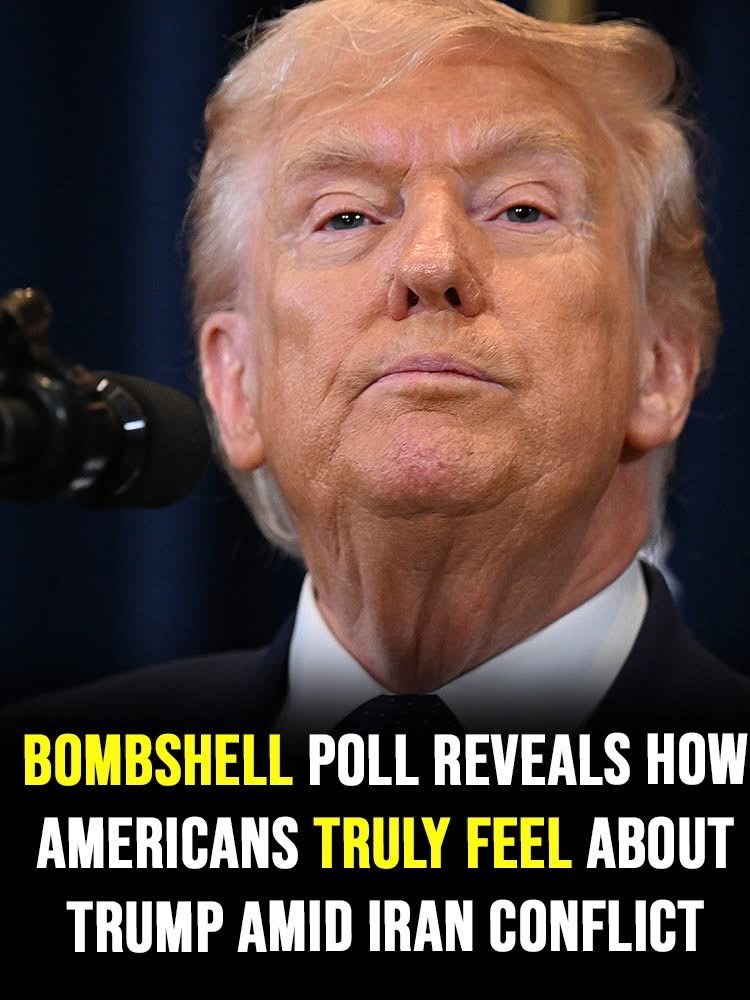
The recent escalation of military tensions involving Iran has not only sent shockwaves through the geopolitical landscape of the Middle East, but it has also stirred significant debate inside the United States. For Donald Trump — a political figure whose message has long been associated with a “protectionist” and often “anti-interventionist” tone — the current strategy toward Iran has exposed a complicated challenge: visible disagreement within parts of his own political base.
This moment has created a test for the broader political coalition that helped shape the modern Republican movement.
A Clash Between Strategy and Expectations
At the center of the controversy is a growing tension between military actions overseas and the messaging that helped fuel the rise of the “America First” movement.
For many supporters, that movement was built on the idea that the United States should avoid long-term overseas conflicts often described as “forever wars.” The promise of focusing more heavily on domestic priorities became a defining part of the political narrative that energized millions of voters.
Because of that history, recent developments in the Middle East have sparked discussion among commentators and political influencers who have historically supported Trump’s agenda.
Some media personalities and analysts have publicly questioned whether current actions align with the earlier message of restraint in foreign policy. Others argue that responding strongly to security threats remains necessary for protecting American interests and allies.
Divided Reactions Within the Movement
This disagreement highlights a broader ideological divide within conservative politics.
One group emphasizes national security and believes strong military responses are sometimes unavoidable in a volatile region. Another group stresses limiting overseas involvement and prioritizing domestic stability, echoing the populist messaging that gained traction during Trump’s rise to prominence.
Figures who once served as prominent amplifiers of the “America First” platform have voiced concerns that expanded military engagement could resemble the type of interventionist policies that many voters hoped to move away from.
Their criticism reflects a deeper question: how should the United States balance deterrence abroad with a public desire to avoid prolonged conflicts?
A Defining Moment for the Political Coalition
As the situation continues to evolve, the debate surrounding Iran policy may become a significant test for the broader political coalition connected to Trump’s leadership.
Foreign policy decisions often create ripple effects far beyond the battlefield. They influence public trust, party unity, and the direction of national strategy.
For many observers, the current moment represents more than a geopolitical crisis. It also highlights how difficult it can be to reconcile campaign promises, national security concerns, and the expectations of a diverse political movement.
Whether this tension leads to deeper divisions or eventually strengthens the coalition will likely depend on how the situation unfolds in the weeks and months ahead.