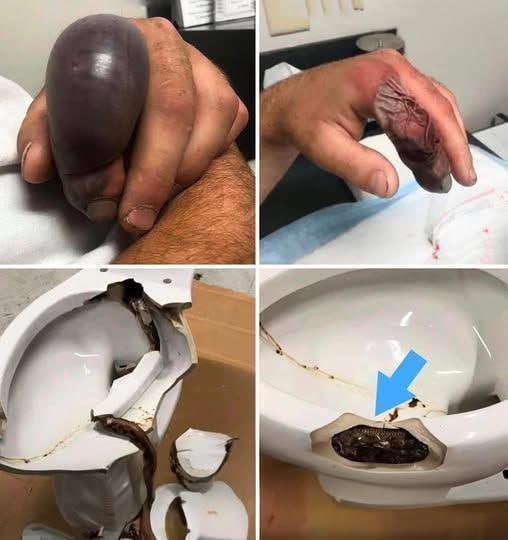
For most people, the bathroom is one of the safest and most private spaces in a home. Yet in several parts of the world, a surprising and unsettling phenomenon has occasionally occurred: snakes appearing inside toilets. While it may sound like something from a horror movie or an urban legend, wildlife experts confirm that such incidents—though rare—have been documented in different countries.
From parts of Southeast Asia and Australia to isolated cases in the United States and Africa, these unusual encounters remind people that the boundaries between urban environments and wildlife are sometimes thinner than we expect.
How Can a Snake End Up in a Toilet?
The explanation is actually fairly straightforward.
Snakes often search for cool, damp, and dark places, especially in warm climates. Sewer pipes and drainage systems can provide exactly those conditions. In some cases, rodents and other small animals that live in sewer systems attract snakes, which follow their prey into the same spaces.
Once inside a pipe system, certain species—particularly those that are flexible and comfortable in water—can move surprisingly well through bends and vertical pipes. If a snake reaches a residential plumbing line, the toilet bowl may become the only visible exit.
This is why wildlife experts occasionally receive reports of snakes emerging from toilets.
Documented Incidents Around the World
Some of the most widely reported encounters have taken place in tropical or subtropical regions where snake populations are large.
In Thailand, for example, several incidents have involved pythons entering bathrooms through plumbing or roof vents. In one widely reported case, a large python was discovered in a toilet, leading to a frightening encounter for the resident before emergency services removed the animal.
In South Africa, there have been reports of venomous snakes such as cobras appearing in outdoor or poorly sealed restroom plumbing, creating dangerous situations that required medical treatment and wildlife intervention.
In Australia, wildlife rescuers are frequently called to remove snakes from bathrooms during periods of extreme heat or drought. Species like carpet pythons sometimes seek cooler indoor areas, including pipes and bathrooms.
Even in the United States, occasional reports appear—often involving non-venomous snakes such as rat snakes that have climbed through plumbing vents or entered through damaged pipes.
Why Weather and Habitat Matter
Environmental conditions often play a major role in these incidents.
Heavy rain can flood underground burrows and push snakes into drainage systems. On the other hand, extreme heat or drought may drive them toward cooler or wetter environments.
Urban expansion also contributes to these encounters. As cities grow closer to natural habitats, wildlife sometimes enters human structures while searching for food, water, or shelter.
What Happens After an Encounter?
When snakes are discovered in bathrooms, local wildlife authorities are typically called to remove them safely. Most incidents end without serious injuries, though the experience can be extremely frightening for residents.
Medical treatment may be necessary if a bite occurs, especially in regions where venomous species live.
Beyond the physical risks, some people report lasting anxiety after such an event, particularly when it happens in a space that normally feels safe and private.
Preventing Wildlife From Entering Plumbing
Experts recommend several practical measures for homeowners in regions where snake encounters are possible:
- Installing one-way or backflow valves in plumbing systems
- Covering roof vents with protective mesh
- Sealing cracks or openings around pipes and foundations
- Reducing rodent populations around the home
- Keeping yards clear of dense debris where snakes may hide
These steps can significantly reduce the chance of animals entering plumbing systems.
A Rare but Real Phenomenon
Despite the alarming nature of these stories, wildlife specialists emphasize that such events remain extremely uncommon. Snakes do not actively seek out humans; most encounters happen accidentally when animals enter structures while searching for food or shelter.
Still, the incidents serve as a reminder of how closely human environments intersect with nature.
As cities expand and environmental conditions change, unexpected wildlife encounters may occasionally occur—even in places as ordinary as a household bathroom.
For most people, however, the chances of encountering a snake in a toilet remain very small. Awareness and simple preventive measures are usually enough to keep homes safe from these unusual visitors.