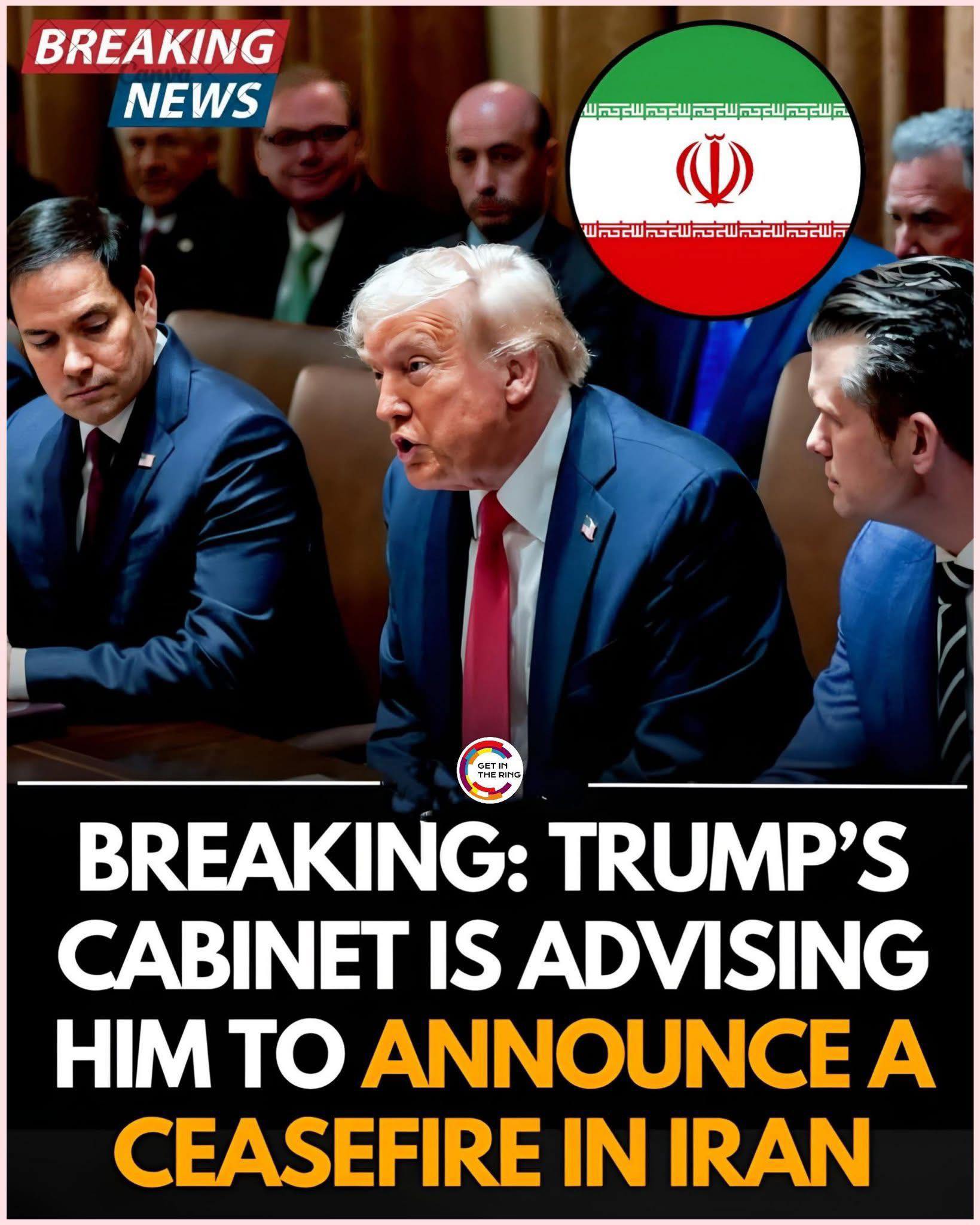
Inside the West Wing, where confidence and strategy usually move in carefully coordinated steps, a serious debate is unfolding over the next phase of the conflict involving Iran. By March 11, 2026, the first stage of military operations had already taken place, leaving significant damage to Iran’s defensive systems and creating new political pressure inside the U.S. administration about what direction to take next.
Although public statements from officials have projected unity and determination, reports from sources close to the administration suggest that senior advisors are increasingly divided. One group within the government is now strongly encouraging a shift toward diplomacy, arguing that the main military goals of the campaign may already have been accomplished.
Arguments for De-Escalation
Supporters of a diplomatic approach believe that the United States and its allies have already weakened many of Iran’s offensive capabilities. Over the course of roughly ten days of intense operations, coalition forces reportedly targeted missile launch facilities, naval assets connected to regional security threats, and command centers used for coordinating military activity.
For the more cautious voices inside the administration, this means the primary objective—reducing Iran’s ability to project military force—may already have been achieved.
They warn that continuing large-scale operations could bring diminishing strategic benefits while increasing the risk of broader escalation. A prolonged campaign, they argue, might push Iran into responding with more unpredictable or asymmetric tactics.
Economic Concerns Growing
Beyond the military considerations, economic factors are playing a major role in the debate.
Global financial markets have become increasingly unstable as the conflict continues. Investors across major financial centers—from New York to Tokyo—are watching developments closely, aware that a prolonged war could disrupt key energy routes.
One of the biggest concerns is the Strait of Hormuz, a narrow but extremely important shipping channel through which roughly one-fifth of the world’s oil supply passes. Even the possibility of disruptions in that area can cause sharp increases in oil prices.
Officials favoring a diplomatic solution warn that a serious interruption to shipping through the strait could trigger a global energy shock and raise fuel costs worldwide.
President Trump’s Role in the Decision
President Donald Trump remains central to the debate.
While his public messaging has emphasized strength and deterrence, he has also suggested that a ceasefire could be considered if conditions are right. According to officials, any decision to reduce military activity would likely involve close consultation with key allies—particularly Israel.
The United States and Israel have worked closely together on security coordination throughout the conflict, especially regarding concerns over Iran’s missile programs and regional influence.
Balancing American economic interests with the security priorities of regional allies has made the situation especially complex.
Pressure From Allies Abroad
Outside the United States, several international partners are also urging caution.
European leaders, including officials in London, Paris, and Berlin, have reportedly encouraged Washington to pursue negotiations while maintaining its current strategic advantage. Many European governments are concerned that a wider regional war could trigger major humanitarian and economic consequences.
They fear that prolonged instability in the Middle East could lead to increased migration pressures and additional strain on Europe’s already fragile economic environment.
Domestic Political Debate
At home, the conflict has also reignited discussions about presidential authority and military action.
Some members of Congress have questioned whether extended military operations should require additional legislative approval. Lawmakers have raised concerns about the constitutional balance between executive authority and congressional oversight in matters of war.
This domestic political debate is adding further urgency to the White House’s internal discussions.
A Pivotal Moment
The coming days could represent a critical turning point.
The administration now faces a complex strategic choice: continue applying military pressure or pivot toward negotiations while holding a position of strength.
A diplomatic path would require careful coordination—maintaining enough leverage to keep Iran engaged while preventing the situation from escalating further across the region.
The stakes are high. A successful transition toward diplomacy could lead to new regional security agreements and greater stability for global energy markets. However, miscalculations on either side could push the conflict toward deeper and more dangerous confrontation.
The World Watching Closely
For now, uncertainty dominates the global outlook.
Energy markets, political leaders, and international observers are closely monitoring developments in Washington. Every report from inside the White House has the potential to influence oil prices, diplomatic relations, and military planning.
At the center of the debate is a fundamental question: should the campaign end with a strategic victory followed by negotiations, or continue until every perceived threat is eliminated?
As the administration weighs these competing visions, the world waits to see which path will shape the next chapter of this conflict.