Relations between the United States and Iran have entered a dangerous new stage as military operations, economic disruption, and increasingly sharp political rhetoric push the confrontation further.
The latest escalation comes after Iran reportedly blocked traffic through the Strait of Hormuz, one of the most strategically important shipping routes in the world. Nearly 20 percent of global oil exports move through this narrow passage connecting the Persian Gulf to international waters.
When Iran announced the closure, global energy markets reacted immediately, with oil prices jumping amid fears that the disruption could last for an extended period.
Conflict Enters Its Tenth Day
The current crisis between the two countries has now entered its tenth day, with both sides exchanging military strikes while issuing increasingly strong warnings.
According to reports circulating internationally, the latest phase of the conflict began after a series of U.S. strikes targeted Iranian leadership and military infrastructure. Iranian authorities say those operations resulted in the death of Supreme Leader Ali Khamenei, a development that dramatically intensified the situation.
Since then, Iran has launched retaliatory attacks while the United States and Israel continue operations against targets linked to Iran’s military network.
Global Concern Over the Strait of Hormuz
Beyond the military confrontation, the closure of the Strait of Hormuz has become one of the most worrying developments for the global economy.
Because such a large portion of the world’s oil passes through the route, even the threat of disruption can shake international markets.
Iran has reportedly warned that ships attempting to move through the strait despite the blockade could become targets. Some statements suggested vessels ignoring the restriction might face direct attack.
Trump Issues Strong Warning
In response to the situation, U.S. President Donald Trump issued a direct warning to Iran through his social media platform Truth Social on March 10.
Trump stated that any attempt to stop oil shipments through the strait would trigger a powerful military response from the United States.
He wrote that if Iran interfered with the flow of oil in the region, the country would face retaliation “twenty times stronger” than previous strikes.
Trump also warned that additional Iranian infrastructure could become targets if the situation escalates further, describing potential consequences involving “death, fire, and fury.”
At the same time, he suggested that keeping the shipping route open would benefit major global economies that rely on energy transported through the region, including China and other Asian markets.
Iran Responds With Strong Language
The warning quickly prompted a response from Iranian leadership.
Ali Ardashir Larijani, secretary of Iran’s Supreme National Security Council, released a statement rejecting the U.S. threats.
In his message, Larijani argued that Iran would not be intimidated and warned that attempts to pressure the country could lead to consequences.
The statement was dated according to the Iranian calendar, marking ten days since what Iranian officials described as the “martyrdom” of Ayatollah Khamenei.
Previous Assassination Claims
The escalating rhetoric comes after earlier reports suggesting an attempted attack linked to Iranian forces.
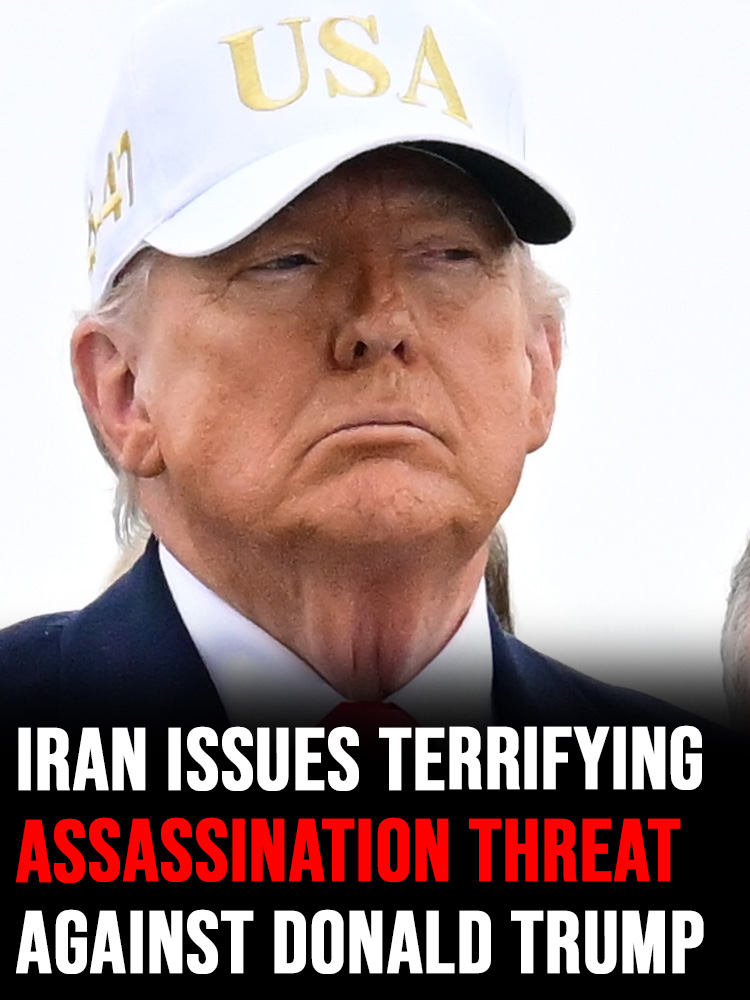
On March 4, U.S. Secretary of War Pete Hegseth claimed that a group connected to Iran had attempted an assassination plot targeting Donald Trump. According to Hegseth, U.S. forces later located and eliminated the leader of the unit believed to be responsible.
While those claims have heightened concerns about the conflict, analysts note that wartime rhetoric often becomes more aggressive as governments attempt to demonstrate strength.
A Situation With Global Impact
For many observers, the most immediate concern remains the Strait of Hormuz.
Any prolonged disruption to the route could affect global energy prices, international shipping networks, and supply chains across multiple industries.
With military activity continuing and political statements growing increasingly confrontational, the situation remains highly unstable.
Diplomatic efforts aimed at reducing tensions have so far produced little progress, leaving governments and markets around the world closely watching the developments.
What happens in this narrow stretch of water could ultimately have consequences far beyond the Middle East.