Healthcare professionals who work in hospice and palliative care often witness moments that are both deeply emotional and difficult to explain. These caregivers spend their days supporting people in the final stage of life, and over time many begin to notice patterns in how some patients behave as death approaches.
One observation that has recently drawn attention online comes from Katie Duncan, a nurse practitioner based in Maryland who has spent years caring for patients in hospitals, intensive care units, and home hospice settings. Through her experience, she has noticed a behavior that many other caregivers say they have also seen.
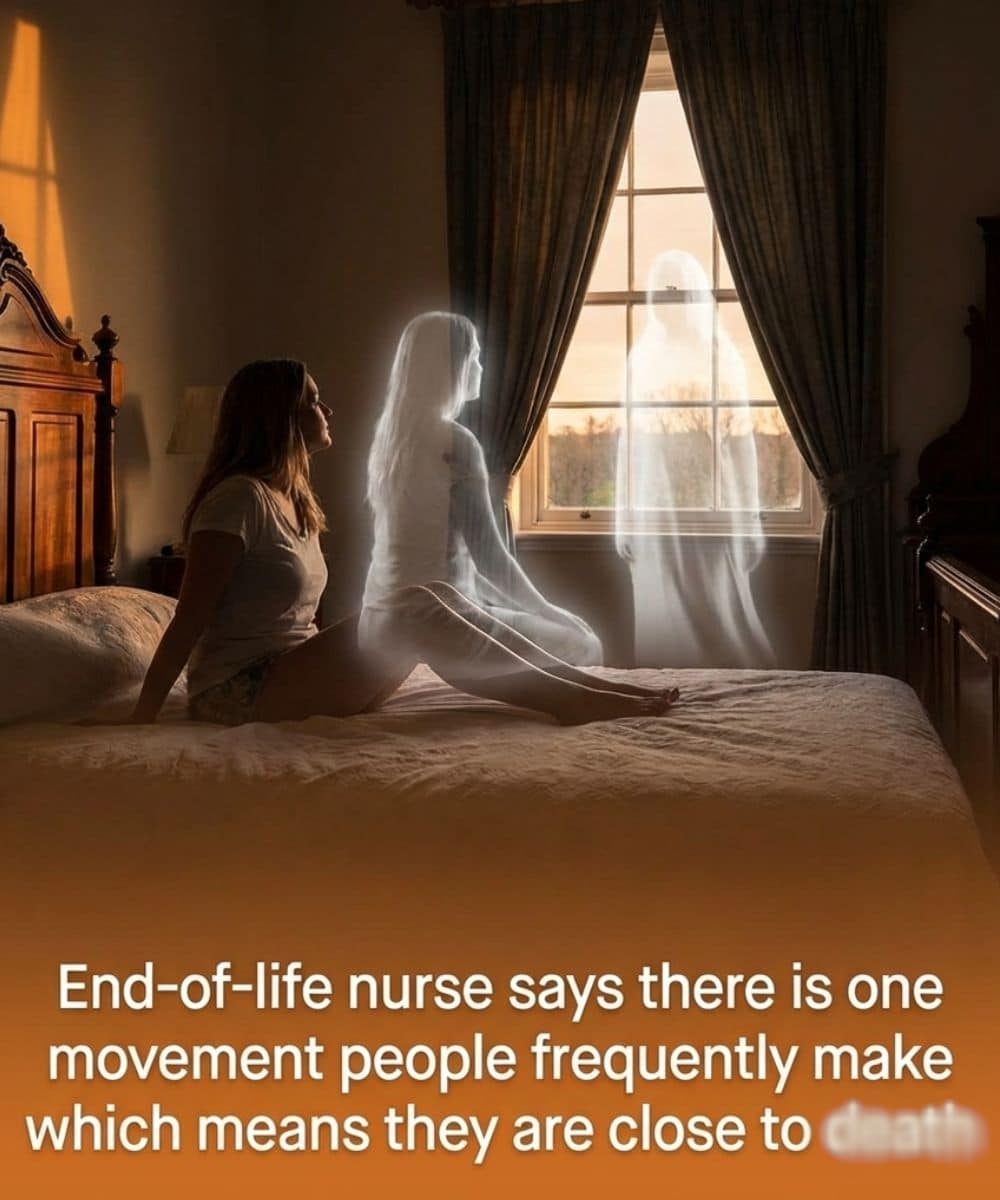
According to Duncan, some patients gently lift their hands or reach upward shortly before they pass away. The movement can look as though the person is trying to touch something in the air above them or reach toward someone standing nearby, even when nothing visible is there.
She has described these moments as surprisingly common among people nearing the end of life.
A gesture many caregivers recognize
In hospice environments, nurses and doctors frequently observe subtle physical or emotional changes during the final days or hours of life. Duncan explained that occasionally a patient will slowly raise their arms, extend their hands, or appear to reach out toward the space above them.
Sometimes patients speak during these moments, mentioning people who died earlier in their lives — parents, spouses, siblings, or close friends. Other times the movement happens quietly, without any explanation from the patient.
Many caregivers say the gesture does not appear distressed or fearful. Instead, the atmosphere often feels calm.
Families who witness these moments sometimes describe them as peaceful, even comforting.
No single medical explanation
Medical professionals note that there is no single scientific explanation for why this behavior occurs.
Experts studying the end-of-life process have proposed several possibilities. Changes in brain chemistry, reduced oxygen levels, medication effects, or neurological activity could potentially influence perception and movement during the final stage of life.
At the same time, the dying process can involve complex psychological and emotional experiences. Some patients report vivid memories, dreams, or visions involving loved ones who passed away earlier.
Because every person’s experience is different, researchers continue to study the physical and mental changes that occur during the final phase of life.
The perspective of hospice care
For professionals working in hospice and palliative care, the focus is less on explaining every detail and more on ensuring comfort and dignity for patients.
Observations like the reaching gesture are often shared with families so they understand that unusual movements or comments may occur near the end of life. Knowing this can help relatives feel less alarmed if they witness something unexpected.
Many hospice workers emphasize that what stands out most in these moments is the sense of calm that often accompanies them.
Rather than fear, patients frequently appear relaxed or at peace.
For families standing beside the bed of someone they love, that calmness can offer a small measure of reassurance during an incredibly difficult time.
While science continues to explore the biological changes that happen as life draws to a close, caregivers say the most important part of their role remains the same: providing compassion, presence, and comfort.
And sometimes, simply helping families understand that they are not alone in what they are witnessing.