Share
Stories involving caregivers and vulnerable patients can be among the most disturbing because they touch a fundamental expectation: that those entrusted with care will protect, not harm. In several widely reported cases over the past decade, families only discovered mistreatment after cameras captured what had been happening behind closed doors.
When a Mother Turned to Cameras
One of the most widely shared incidents involved a Tennessee mother who suspected something was wrong with the nurse hired to care for her son, Craig Caldwell, who lives with severe cerebral palsy. Craig is non-verbal and requires full-time care. For years he had been known as cheerful and responsive, but his parents noticed sudden distress and unusual agitation.
Concerned that something might be happening while they were away, the family installed cameras inside their home. On July 7, 2019, Craig’s mother checked the live feed and saw behavior she described as deeply disturbing. The footage appeared to show the caregiver kicking Craig’s foot, shaking him, and speaking to him harshly.
She rushed home immediately and ordered the nurse to leave. The case was later investigated, and the caregiver was charged with misdemeanor assault. The incident sparked wider debate about protections for patients who cannot speak for themselves.
Allegations of Abuse in a Texas Nursing Home
Another case drew attention after a family reviewed surveillance footage following injuries to their elderly relative. Eighty-seven-year-old Cornelio Selenus, a resident of a care facility in Texas City, was hospitalized after staff initially told relatives he had fallen from his bed.
However, when the family reviewed camera footage they had installed in his room, they believed it showed two employees assaulting the elderly man while he was on the floor. The video reportedly captured staff hitting and dragging him before returning him to his bed.
The discovery prompted an investigation by local authorities. Two employees were later terminated by the facility and charged with felony abuse and injury to an elderly person. The case fueled broader concerns about monitoring and accountability in long-term care facilities.
A NICU Incident That Sparked Debate
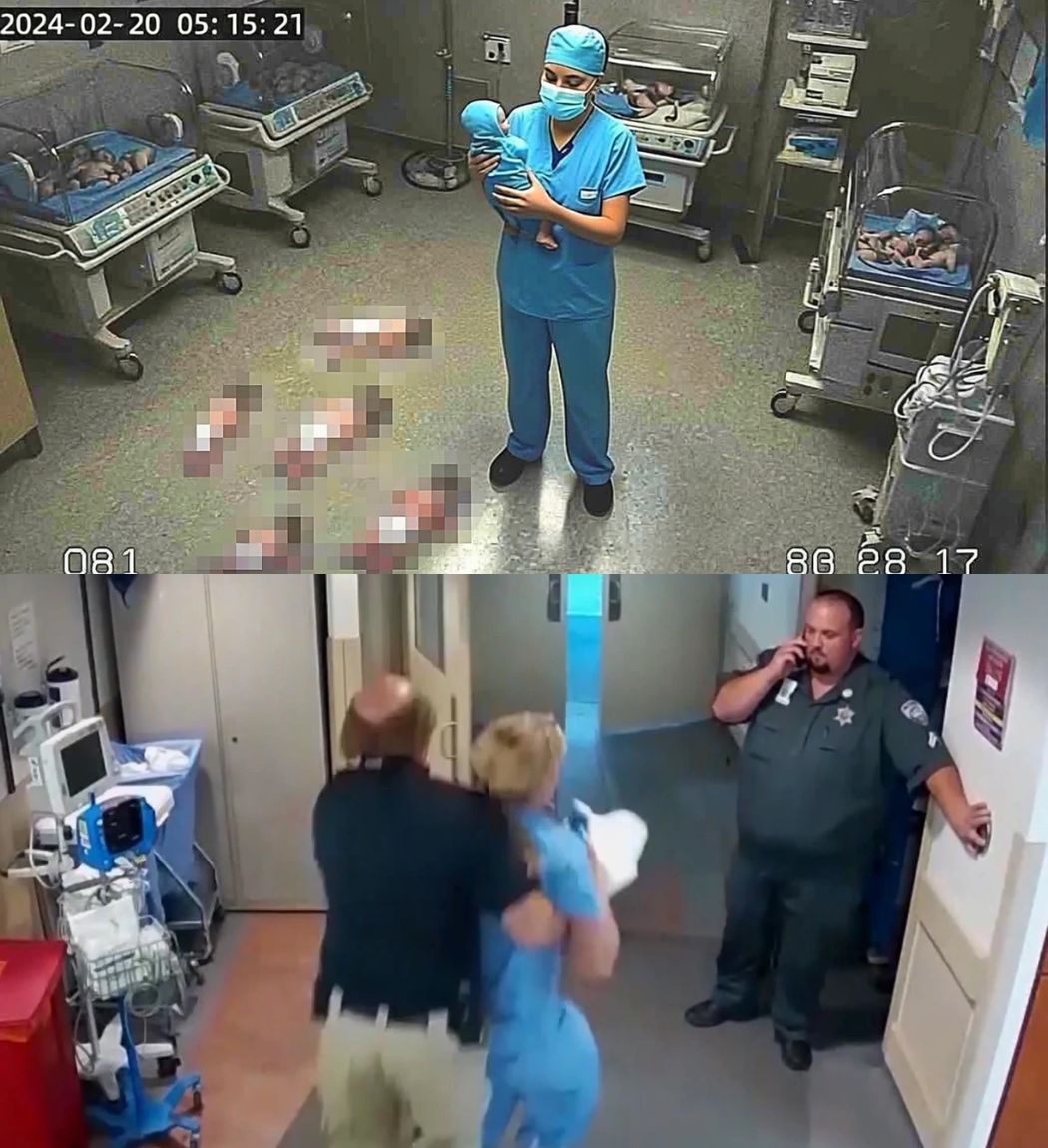
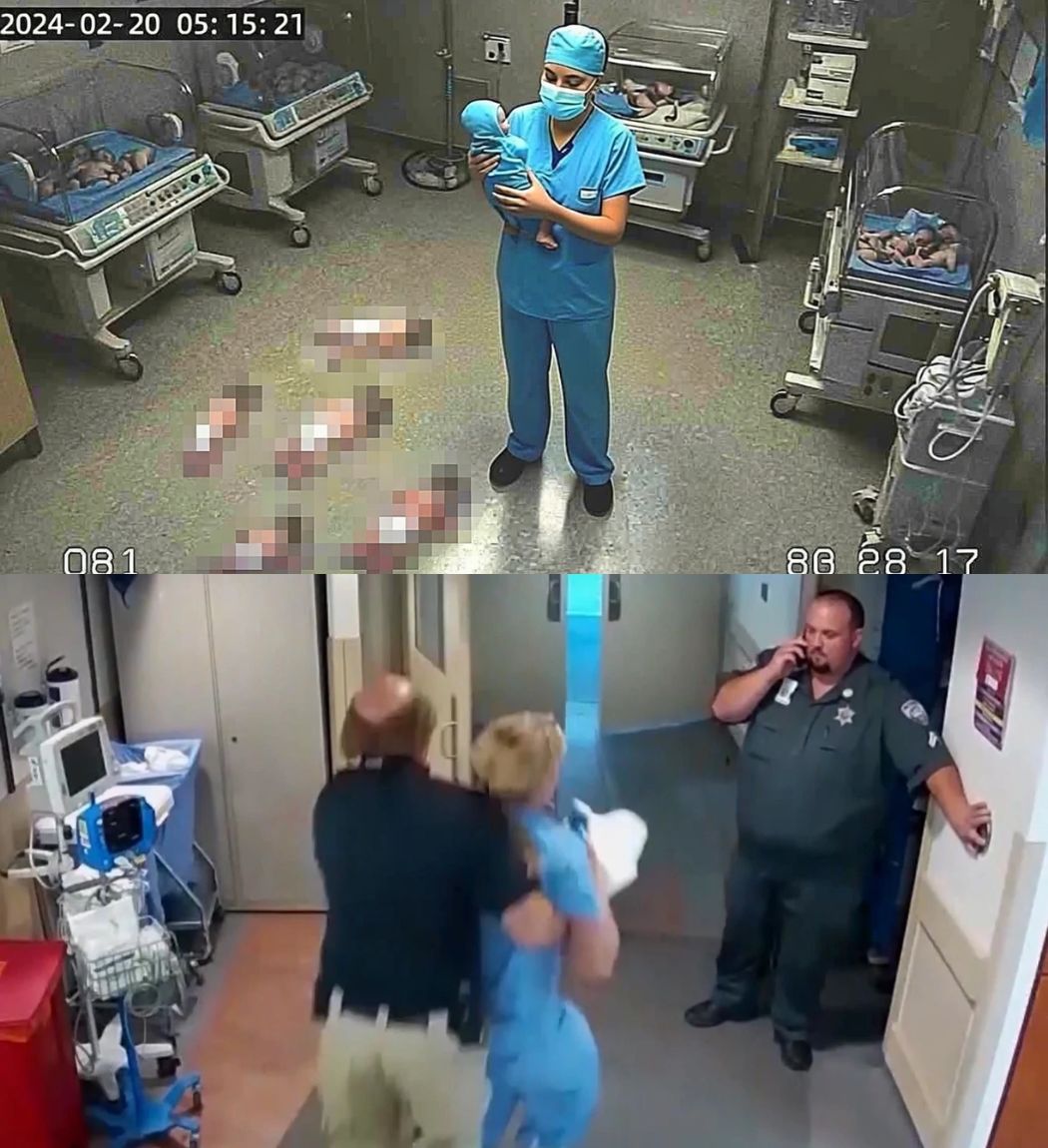
In February 2023, an incident inside the neonatal intensive care unit of Good Samaritan University Hospital drew national attention after a father filmed a nurse handling his newborn through a partially open curtain.
The footage appeared to show the nurse placing the infant down abruptly inside the bassinet. The nurse involved, Amanda Burke, was terminated and initially charged with endangering the welfare of a child.
However, prosecutors later dropped the criminal charges in March 2024 after medical experts concluded the movement captured in the video was unlikely to have caused injury and did not meet the legal standard for criminal negligence. The decision divided public opinion and left the family deeply upset.
Theft from Vulnerable Patients
Not all cases involve physical harm. In another investigation captured partly through body-camera footage, a caregiver identified as Jessica was accused of stealing valuables from patients in a nursing facility.
Police said the investigation revealed a pattern of theft from residents near the end of life, including jewelry and credit cards. Officers reported that surveillance footage showed the nurse removing items from patients’ rooms.
She was arrested and charged with theft, and authorities said the case highlighted how financial exploitation can target vulnerable patients who may have limited family oversight.
A Dementia Patient’s Family Seeks Answers
In England, the children of Anne King, an 88-year-old woman living with dementia, installed a hidden camera in her care home room after noticing signs of neglect.
The footage they later reviewed appeared to show staff mocking the elderly resident and leaving her on the floor for an extended period. The video prompted complaints to authorities and eventually triggered a broader investigation into the facility’s practices.
The family believes the stress of the experience contributed to their mother’s declining health. Authorities later examined management practices at the facility.
Contraband Smuggling Inside a Jail
In a separate case involving a correctional facility, surveillance cameras inside Coweta County Jail captured a nurse allegedly passing contraband to an inmate.
Investigators reported that video footage showed an inmate retrieving items from the nurse’s pocket during a medical interaction. Authorities later recovered marijuana, tobacco, and other prohibited items.
The nurse was arrested, and investigators said the case exposed a wider network involved in smuggling contraband into the jail.
Prescription Drug Theft from a Patient
Another investigation in Florida began when a patient noticed prescription medications going missing. Detectives set up a camera inside the home and reported that the footage showed a visiting nurse taking pills from the patient’s supply.
Police later stopped the nurse and recovered the medication. Authorities said the caregiver admitted to stealing drugs from the patient.
Why Cameras Are Becoming More Common
These cases illustrate a difficult reality: families increasingly rely on surveillance to protect relatives who cannot advocate for themselves.
Hidden cameras — sometimes called “granny cams” — have become more common in private homes and care settings. Supporters say they provide accountability and evidence if something goes wrong. Critics raise concerns about privacy and staff monitoring.
For families caring for vulnerable loved ones, however, the issue often comes down to trust. When someone depends entirely on others for care, even small signs of distress can trigger serious concern.
These incidents remind many people that oversight, training, and transparency remain essential in healthcare environments where patients may be unable to speak for themselves.