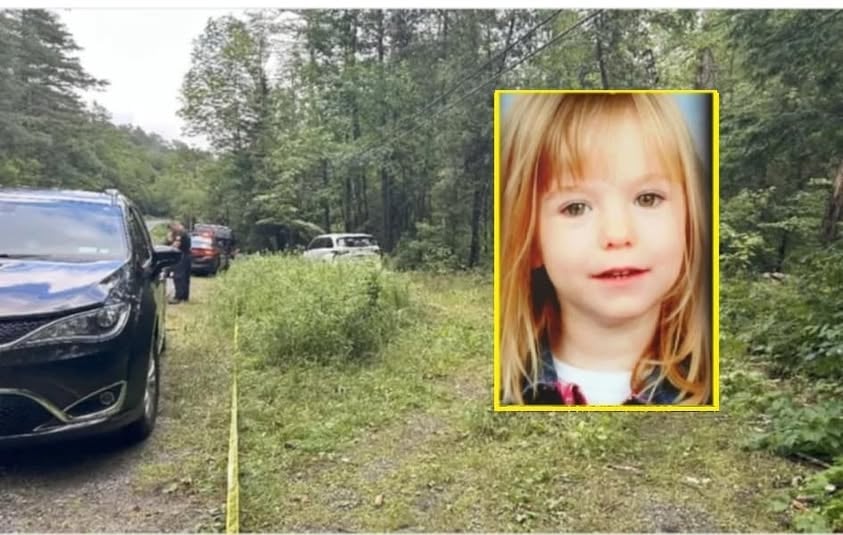
The case of Perla Alison, a young girl whose disappearance ignited a desperate nationwide search, has reached a conclusion that has left Mexico City and the surrounding regions in a state of profound grief and incandescent rage. What began as a mundane request for a small indulgence—a trip to a neighborhood store for candy—spiraled into a nightmare that has exposed the persistent vulnerabilities of women and children in the urban landscape. As of late February 2026, the investigation has shifted from a frantic rescue mission to a grim search for justice, as authorities confront the horrific details of a life cut short in the Santa Martha Acatitla neighborhood.
The sequence of events was terrifyingly brief. Perla Alison, described by her family as a bright and trusting minor, left her home on a routine errand. She had asked her mother for permission to visit a nearby shop, a distance she had covered many times before. When minutes turned into hours, the initial concern of her relatives transformed into a paralyzing fear. By the time a nationwide Amber Alert was activated, the community had already begun mobilizing, plastering her face across social media and organizing search parties that scoured the streets of Iztapalapa. For days, the digital sphere was flooded with her image, a symbol of a family’s hope that she might still be found safe.
That hope was extinguished when a neighbor near the Constitución de 1917 metro station reported a disturbing discovery. Alerted by a foul odor emanating from an abandoned building on a vacant lot, the resident contacted emergency services. Officers from the Secretariat of Citizen Security (SSC) arrived to find a scene that would soon become the focal point of a national outcry. The body recovered from the site was identified as Perla Alison. The location—an abandoned structure in a busy urban area—served as a haunting reminder of how easily the most vulnerable can be hidden in plain sight.
The Mexico City Attorney General’s Office has been uncharacteristically blunt about the nature of the crime. Initial forensic reports indicate that the minor was the victim of extreme violence. While the official autopsy results are still pending to determine the precise cause of death, investigators have seen enough to open a formal inquiry into the crime of femicide. There are distressing indications that Perla Alison suffered significant abuse before she was killed, a detail that has added a layer of visceral horror to an already tragic situation. The “devastating final update” in this case is not just the loss of life, but the sheer brutality that preceded it.
The public reaction has been swift and unforgiving. In a year that has already seen significant headlines regarding the safety of prominent figures—from the kidnapping of Nancy Guthrie in Tucson to the health struggles of icons like Bruce Willis—the death of Perla Alison has struck a different, more localized chord of agony. For many, she represents every daughter, sister, and friend. Feminist groups and civil rights associations have taken to the streets and social platforms, demanding not just the capture of those responsible, but an “exemplary punishment” that reflects the gravity of the crime. The sentiment is clear: the current systems of protection are failing, and the price of that failure is being paid in the lives of children.
The investigation is currently focused on the “broken timeline” between Perla’s departure for the store and the discovery of her body. Detectives are reviewing hours of surveillance footage from the Metro Constitution area, looking for any sign of a vehicle or individual that might have been trailing the girl. Much like the intense digital forensic work seen in the Guthrie case, authorities are hoping that residual data from nearby cell towers and private security cameras might yield a “single overlooked clue.” However, the vacant lot where she was found is known for being a blind spot in the neighborhood’s security infrastructure, a fact that may have been exploited by the perpetrator.
As the community prepares to lay Perla Alison to rest, the conversation has turned toward the systemic issues that allow such tragedies to occur. The Santa Martha Acatitla neighborhood is now a place of vigils and protests. The “tea” being spilled in local community centers is one of frustration with the lack of lighting, the presence of abandoned buildings, and the perceived slow response of local patrols. For the mother of Perla Alison, who gave her daughter permission to buy candy on that fateful afternoon, the weight of the tragedy is an unimaginable burden. Her daughter’s story has become a rallying cry for a nation that is increasingly tired of mourning its youth.
This case has also highlighted the power and the pitfalls of social media in missing persons cases. While the viral spread of Perla’s photo ensured that her disappearance remained in the public eye, it also led to a wave of misinformation and false sightings that occasionally hampered the official search. Now, those same platforms are being used to coordinate a demand for transparency from the Prosecutor’s Office. The public is no longer satisfied with “active investigations”; they are demanding arrests and a comprehensive plan to secure the neighborhoods where children should feel safe to walk to a store.
As of February 27, 2026, the search for the killer remains the highest priority for the Mexico City Attorney General’s Office. Forensic experts are working around the clock to extract DNA evidence from the scene, hoping for a match in the national registry. The story of Perla Alison is a tragic addition to a long list of cases that have defined the struggle for safety in the region. It serves as a somber reminder that behind every Amber Alert and every “breaking news” headline, there is a human life that deserved a future.
The void left by Perla Alison is immense. She was a child of a neighborhood that is now defined by her absence. Her legacy, if there is to be one, will be found in the changes sparked by her death—the push for better urban safety, the demand for swifter justice in cases of femicide, and a collective vow that no other child should disappear on a trip for candy. The world watches with bated breath, much like it does for the high-profile mysteries of the day, but the stakes here are measured in the innocence of a community and the memory of a girl who never came home.