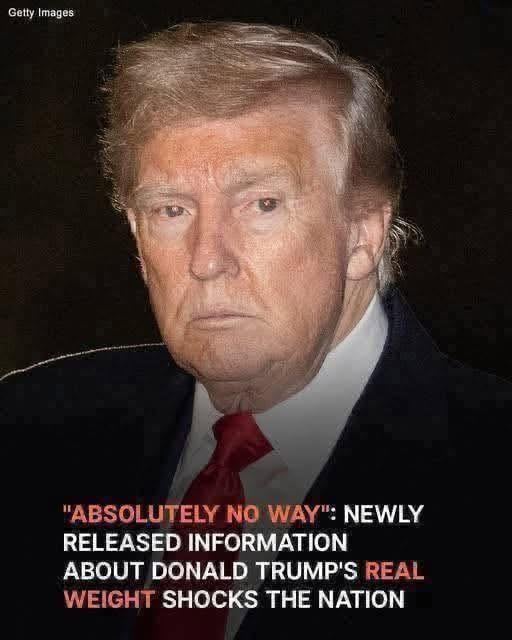
In the high-stakes theater of American politics, few figures command the spotlight with the sheer intensity of Donald Trump. As February 2026 unfolds, the former and current president finds himself at the center of a legal and political storm that is as unprecedented as it is polarizing. For a man whose career has been defined by his ability to navigate—and often dominate—the most turbulent of waters, the recent flurry of developments represents a significant and sobering challenge. Behind the high-energy rhetoric of his recent State of the Union address, a parallel narrative is playing out in the nation’s courtrooms, where the very foundations of constitutional order are being debated with a gravity that transcends the daily news cycle.
The “bad news” currently circling the Trump administration is not a single event, but a complex tapestry of legal scrutiny and judicial pushback. At the heart of this storm are the enduring echoes of past election cycles and the aggressive policy maneuvers of his current term. Central to the public’s concern are the lingering allegations regarding efforts to obstruct the certification of elections—a charge that strikes at the Constitution’s most fundamental guarantee: the peaceful transfer of power. While the special counsel investigations of previous years saw dramatic dismissals following his 2024 re-election, the release of detailed reports in early 2025 has ensured that the “admissible evidence” remains a fixture of public discourse.
On February 26, 2026, the legal pressure manifested in a series of courtroom setbacks. In California, Attorney General Rob Bonta secured a second court order blocking the administration’s attempts to seize the personal data of millions of SNAP recipients. The ruling was a stinging rebuke to what critics describe as an attempt to “weaponize hunger assistance” for mass surveillance. Simultaneously, in the federal courts of Tennessee, the administration faced accusations of “vindictive prosecution” in the case of Kilmar Ábrego García, a man mistakenly deported and then brought back by Supreme Court order, only to face new charges. These cases, while individual in nature, contribute to a broader perception of a presidency constantly at odds with the judicial branch.
This friction with the law is occurring at a time when the nation is already on edge. The February 24 State of the Union address was a masterclass in the “Trump style”—bold, defiant, and focused on sweeping economic changes like the implementation of historic tariffs. Yet, even this moment of pomp and circumstance was shadowed by controversy. While the President spoke of national strength, the Supreme Court was busy striking down those very tariffs just days prior, a decision that dismantled a cornerstone of his economic agenda. For millions of citizens watching from home, the contrast between the confident image on the screen and the reality of the legal defeats is creating a profound sense of uncertainty.
Adding to the complexity is the way the public consumes this information. In the age of viral photo moments and 24-hour commentary, even a family portrait can become a “distracting” detail that overshadows policy. Pundits and social media users alike have spent the days following the State of the Union dissecting every visual cue, looking for signs of unity or division within the Trump family. This focus on the peripheral often masks the deeper, more existential questions facing the country: What happens when the executive branch’s definition of power repeatedly clashes with the judiciary’s definition of the rule of law?
For his supporters, these legal challenges are viewed through the lens of political persecution—a “witch hunt” designed to stymie a transformative leader. To them, Trump is the ultimate outsider fighting a “deep state” that uses the legal system as a weapon. For his critics, however, these moments represent long-delayed accountability. They see the court orders in California and the Supreme Court’s tariff ruling as essential guardrails that prevent a drift toward unchecked executive authority. As the midterms approach, the rhetoric on both sides is reaching a fever pitch, with experts warning that the administration may already be “laying the groundwork” to contest the results of the 2026 elections.
This case of “Trump vs. the System” transcends partisan loyalty. It forces a reckoning with the very idea of American democracy. The central question haunting every legal exchange and every viral post is whether the nation’s institutions are strong enough to bind even its most powerful individuals. The implications of these trials and rulings extend far beyond the fate of one man; they are shaping how democracy will define and defend itself for generations to come.
As the administration fights to terminate protected status for foreign nationals and pushes for a nationalized control of voter rolls, the judicial system remains the final arbiter. The recent rulings regarding SNAP data and the dismissal of human smuggling charges serve as reminders that the law often moves at a different pace than the political winds. Whatever the eventual outcome of these battles, it is clear that the United States is undergoing an irrevocable change. The country that entered this era of intense litigation and political division will not be the same one that emerges from its final judgment.
For Donald Trump, the “bad news” is a constant companion, but it is also a familiar one. His presidency has always been a high-wire act, balancing a populist mandate against the rigid structures of constitutional law. As 2026 progresses, that wire is being stretched tighter than ever before. America now faces a pivotal choice about its future—a choice that will be reflected in the ballot boxes of the midterms and the final verdicts of the highest courts in the land.
The story of this presidency is still being written, but its themes are clear: resilience, conflict, and a relentless testing of the American experiment. As the nation watches the latest photo moments and reads the latest headlines, the underlying struggle remains the same—a battle for the soul of the law in a country that is increasingly divided on what that law should be.