Share
From the earliest days of my childhood, my name seemed to arrive after another label. Before anyone asked who I was, I was already known as the garbage collector’s son. It followed me quietly — into classrooms, into pauses of laughter, into the looks that tried to measure my future before it began.
My mother had once studied to be a nurse. She had imagined steady hallways, clean uniforms, a life built on care. Then my father died in a fall from scaffolding, and in one hard turn of fate, dreaming gave way to surviving. She took the only job that kept food on the table. She never spoke of what she lost. She simply worked.
Children learned to make their cruelty subtle. They whispered about smells they imagined, about the truck they saw each morning, about where they thought I belonged. I learned to make myself small. I hid in quiet corners. I smiled when my mother asked about school because I didn’t want to add weight to hands already swollen from lifting more than most people ever would.
What I did instead was study.
In libraries and on a worn laptop, I found order in numbers when life felt scattered. Equations didn’t judge. They only asked to be understood. If my mother could rise before dawn every day without complaint, I told myself I could rise in the only way I knew how — by learning.
One afternoon, Mr. Anderson stopped by my desk and noticed what I was doing. Not my silence. Not my clothes. My work. He didn’t treat it like a miracle. He treated it like something worth nurturing. He guided me, challenged me, and helped me believe that the world might be larger than the narrow one I’d been handed.
Applications followed. Then waiting. Then a letter that changed everything — a full scholarship, housing, and a future I had only dared to imagine in private.
When I showed my mother, she didn’t speak at first. She just stared. Then she cried — not from exhaustion this time, but from relief and hope mixing together.
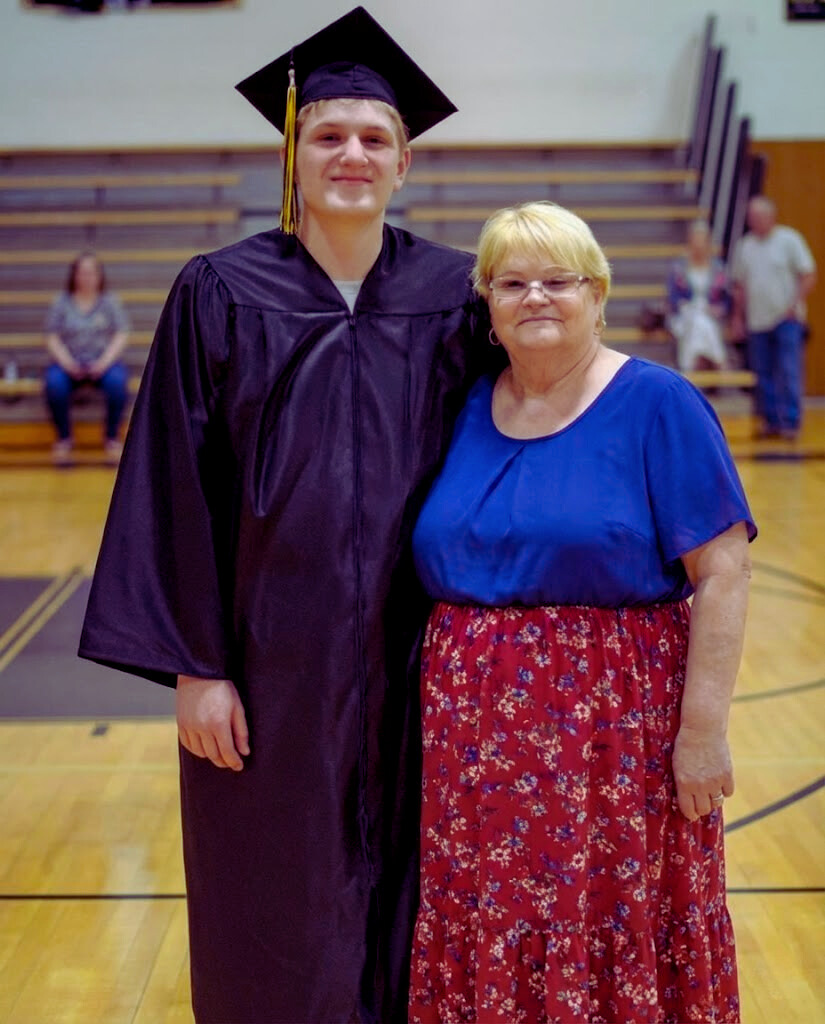
Graduation day came faster than I expected. Standing at the podium as valedictorian, I felt the years of silence rise inside me — not as anger, but as truth ready to breathe. I spoke about the jokes. About the shame. About the woman who carried loss and never let it harden her heart. I spoke about dignity that doesn’t wear clean uniforms and worth that doesn’t ask permission.
The applause was loud. But the sound I remember is my mother’s voice breaking through it, trembling and proud.
That night, she came home in the same uniform she had always worn. It still carried the smell of work, of effort, of long days. But it no longer felt like something to hide from.
It felt like strength.
I finally understood that I had never been walking behind her.
I had been walking because of her.