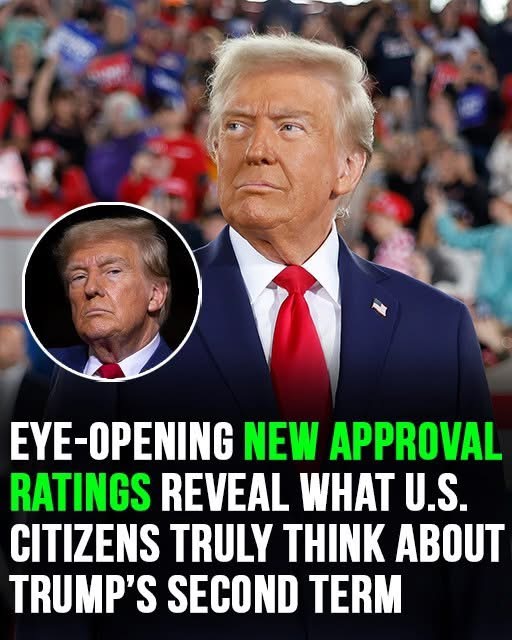
Public debate over presidential performance in the United States has always involved a contrast between how leaders describe their records and how voters judge them. In Donald Trump’s case, that contrast has been especially visible throughout his political career. He has consistently described his leadership in confident and expansive terms, portraying his policies as transformative and historically significant. Supporters credit him with reshaping debates on trade, immigration, taxation, regulation, and foreign policy, while critics argue that his rhetoric often exceeds measurable outcomes and has contributed to deeper national divisions.
Trump has long emphasized economic performance as a key pillar of his argument to voters. During his first term, from 2017 to 2021, the United States experienced economic expansion prior to the COVID-19 pandemic, including low unemployment rates and strong stock market performance. His administration passed the Tax Cuts and Jobs Act of 2017, reduced certain federal regulations, and implemented tariffs on imports from China and other countries. Supporters argue these policies encouraged domestic investment and job growth, while critics contend they increased deficits and contributed to trade tensions.
Economists note that tariffs are typically paid by importers and can increase costs for businesses and consumers, even though they generate federal revenue. The broader effects depend on global supply chains, retaliatory trade measures, and domestic production capacity. As with many policy issues, interpretations vary along political and ideological lines.
Energy policy has also been central to Trump’s messaging. He frequently promoted the concept of American “energy dominance,” citing increased oil and natural gas production. While production did rise significantly, experts note this trend began before his presidency due to technological advances. Gasoline prices, meanwhile, are largely influenced by global oil markets rather than presidential actions alone.
Trump’s broader agenda has focused on national security and sovereignty. His administration renegotiated trade agreements such as replacing NAFTA with the USMCA, and withdrew from international agreements like the Paris climate accord and the Iran nuclear deal. Supporters viewed these moves as protecting American interests, while critics argued they strained diplomatic relationships.
His leadership style has been one of the most discussed aspects of his presidency. His direct and confrontational communication approach energized supporters who appreciated his willingness to challenge political norms. Critics, however, argue that his tone contributed to polarization and undermined institutional trust. Political analysts say his presidency reshaped Republican Party dynamics and influenced national political discourse.
Public opinion data show the United States remains deeply divided over Trump’s leadership. Polling organizations using representative samples consistently show strong partisan differences in approval ratings. During his first term, Trump’s approval ratings often remained in the low-to-mid 40 percent range, with disapproval frequently exceeding approval. This stability reflected a polarized electorate where partisan loyalty strongly influenced opinions.
Approval ratings varied depending on policy area. Economic performance was often viewed positively by his supporters, particularly before the pandemic, while immigration policies such as border enforcement and deportation authority received mixed reactions. Supporters viewed these policies as strengthening national security, while critics emphasized humanitarian concerns and called for broader immigration reform.
Foreign policy also drew mixed reactions. Trump emphasized NATO burden-sharing, engaged diplomatically with North Korea, and supported normalization agreements between Israel and several Arab nations. Supporters viewed these actions as pragmatic diplomacy, while critics argued they strained relationships with traditional allies and lacked consistent long-term strategy.
Media coverage has also influenced public perceptions. Supporters often claim media coverage of Trump has been disproportionately negative, while critics point to documented inaccuracies in some of his public statements. Fact-checking organizations have identified instances where his claims were misleading or false, particularly regarding election processes and policy impacts.
Political polarization and declining trust in institutions have further shaped public opinion. Approval ratings often reflect partisan identity more than specific policy outcomes, with supporters expressing approval and opponents expressing disapproval. This pattern has remained consistent and reflects broader divisions in American society.
Controversies have also influenced perceptions. Trump was impeached twice by the House of Representatives—once in 2019 and again in 2021—but was acquitted by the Senate both times. Legal investigations and political controversies have continued to shape public opinion, though reactions often align with partisan beliefs.
Trade and immigration policies continue to generate debate. Supporters argue tariffs and border enforcement protect American workers and national security, while critics emphasize economic costs and humanitarian concerns. Economists note that long-term outcomes depend on global economic conditions and domestic competitiveness.
Ultimately, polling data show that Americans remain divided in their evaluation of Trump’s leadership. He maintains strong support among his base, while significant portions of the population express skepticism or disapproval. This division reflects broader political and cultural differences rather than short-term events alone.
Long-term historical judgment will depend on economic performance, legislative achievements, institutional stability, and the lasting impact of his policies. For now, the available evidence suggests a political environment defined by polarization rather than consensus. Public opinion continues to reflect sharply different interpretations of his leadership and legacy.