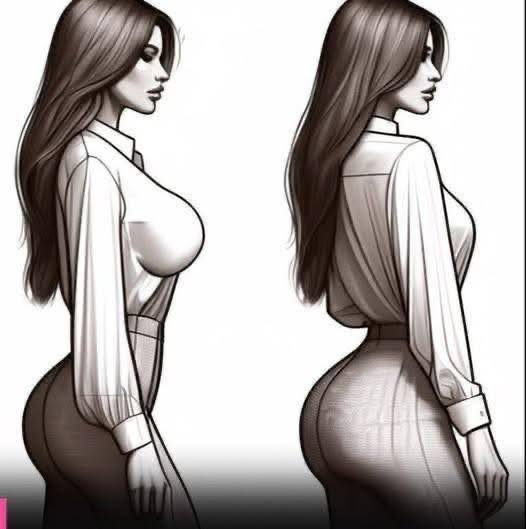
The human body is a masterpiece of biological complexity, a canvas where genetics, hormones, and lifestyle choices converge to create a unique silhouette for every individual. Among the many physical traits that define the female form, breast size is perhaps one of the most discussed, yet least understood, aspects of anatomy. For decades, societal narratives and media portrayals have attached arbitrary meanings to breast volume, often conflating it with health, fertility, or even a woman’s intrinsic value. However, a deeper dive into the science of endocrinology and metabolic health reveals a far more nuanced reality: breast size is a dynamic physical characteristic that serves as a reflection of a woman’s internal biological rhythm, not a definitive scorecard for her overall well-being.
At its core, breast development and size are dictated by a sophisticated interplay of factors. Genetics provide the foundational blueprint, but the architectural execution is managed by the endocrine system. During puberty, the surge of estrogen and progesterone triggers the growth of ductal tissue and the accumulation of adipose (fatty) tissue. Throughout a woman’s life, this tissue remains highly sensitive to hormonal shifts. Whether it is the monthly fluctuations of the menstrual cycle, the profound changes of pregnancy and lactation, or the gradual transition into menopause, the breasts act as a mirror to the body’s hormonal state. Yet, it is vital to understand that the volume of this tissue does not dictate the “strength” of one’s hormones. A woman with smaller breasts can have a perfectly balanced endocrine profile, just as a woman with larger breasts might experience hormonal challenges. Size is simply the body’s specific response to these chemical messengers, influenced by the density of hormone receptors within the tissue itself.
One of the most persistent misconceptions in wellness culture is the idea that breast size serves as an external indicator of vitality or health. This reductive view ignores the reality that true health is a multi-dimensional state of being. It is the result of emotional stability, nutritional integrity, and physiological resilience. Judging a person’s health based on physical traits like breast size is not only scientifically inaccurate but also reinforces narrow beauty standards that distract from genuine measures of wellness. Reliable indicators of health are found in metabolic efficiency, immune response, cardiovascular endurance, and psychological fortitude. When we shift the focus away from the aesthetic and toward the functional, we begin to appreciate the body for what it can do rather than just how it appears.
From a medical perspective, researchers have occasionally looked into correlations between breast size and specific health conditions, such as type 2 diabetes or musculoskeletal issues like chronic back pain. However, a critical analysis of these studies reveals a common denominator: body composition. Since breasts are predominantly composed of adipose tissue, a larger breast size is often associated with a higher overall body fat percentage. In these instances, any increased health risks are generally linked to systemic metabolic factors or the physical strain of carrying extra weight on the frame, rather than being an inherent property of the breast tissue itself. Distinguishing between the symptoms of overall body mass and the specific health of the breast tissue is essential for accurate self-assessment and medical diagnosis. It prevents the formation of false assumptions that could lead to unnecessary anxiety or the overlooking of more significant health markers.
The natural evolution of the body also plays a significant role in how breast size changes over time. Aging is a process of constant transformation; as estrogen levels naturally decline during the menopausal transition, breast tissue may lose density and undergo a process known as involution, where glandular tissue is replaced by fat. Similarly, lifestyle habits such as significant weight loss or gain can lead to visible changes in breast volume. These are not signs of a failing body or a sudden decline in health; they are the natural rhythms of a living, breathing organism adapting to its environment and life stage. Viewing these changes through a lens of curiosity and respect, rather than one of judgment, allows for a healthier relationship with the mirror.
To support hormonal health and, by extension, the health of breast tissue, the focus should remain on sustainable daily habits. The foundation of a balanced endocrine system is built on nutrient-dense whole foods, consistent movement, and restorative sleep. Proper hydration and stress management are equally critical, as chronic stress can elevate cortisol levels, which in turn can disrupt the delicate balance of reproductive hormones. While some individuals look toward natural supplements like maca root for energy or sage tea for managing hormonal symptoms, these should be approached with a “safety-first” mindset. The world of herbal medicine is potent, and what works for one person’s chemistry might be disruptive for another. Consulting with a healthcare professional ensures that any supplemental support aligns with one’s specific medical history and does not interfere with existing treatments.
The psychological impact of comparing one’s body to others cannot be ignored. We live in a world that often treats the female body as a trend, with certain shapes and sizes moving in and out of fashion. This creates an environment of “body dysmorphia by comparison,” where women feel pressured to conform to an ideal that may be genetically impossible or even unhealthy for their specific frame. True confidence is an internal harvest; it comes from the realization that individuality is a strength, not a flaw. Embracing one’s natural form—regardless of where it falls on the spectrum of size—is a radical act of self-care. It allows the mind to quiet its criticisms and redirected that energy toward goals that truly matter, such as personal growth, career aspirations, and nurturing relationships.
Ultimately, breast size is just one facet of a woman’s complex physical identity. It is a trait shaped by the long lineage of her ancestors and the unique path of her own life’s journey. It does not define her femininity, her capacity for motherhood, or her professional capability. It is certainly not a metric of her worth. As we move toward a more enlightened understanding of health in 2026, it is imperative that we move past superficial observations and appreciate the body for the incredible biological machine that it is. Health is reflected in the clarity of the mind, the strength of the limbs, and the resilience of the spirit. By honoring our bodies through balanced living and self-compassion, we cultivate a sense of well-being that transcends physical measurements and lasts a lifetime.