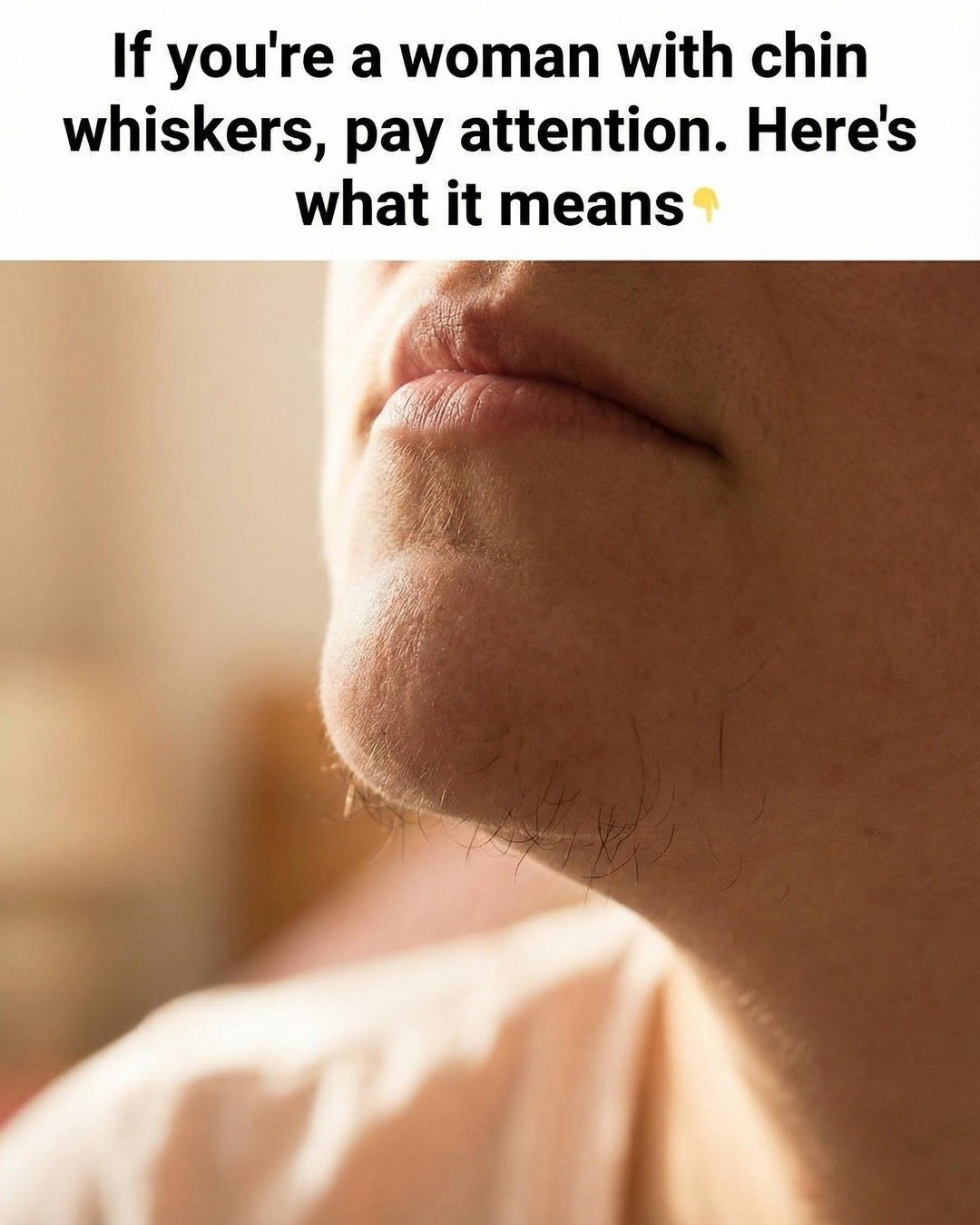
The discovery of a coarse, dark hair on the chin is a nearly universal experience for women, yet it remains one of the most shrouded topics in personal grooming and health. While the initial reaction is often one of alarm or embarrassment, the biological reality is that facial hair on women is a common, frequently benign, and manageable aspect of the human experience. Understanding the intricate interplay of genetics, hormonal fluctuations, and aging can transform this source of anxiety into a manageable part of a self-care routine. By deconstructing the myths surrounding chin hair, women can move toward a balanced perspective that prioritizes both physical health and psychological confidence.
At its core, the growth of chin hair is a biological response to the presence of androgens. Although often labeled as “male” hormones, androgens like testosterone are essential components of the female endocrine system, produced in small quantities by the ovaries and adrenal glands. These hormones are responsible for triggering the transition of “vellus” hair—the fine, peach-fuzz-like strands that cover most of the body—into “terminal” hair, which is thicker, darker, and more deeply rooted. The chin, jawline, and upper lip are particularly sensitive to these hormonal signals. Even a minor shift in the ratio of estrogen to androgens can “flip the switch” on a dormant follicle, resulting in a sudden, prominent hair where none existed before.
Life stages play a pivotal role in these shifts. During puberty, the initial surge of androgens initiates the development of body hair. Later, during pregnancy or when starting or stopping hormonal birth control, the body undergoes a chemical recalibration that can manifest on the skin. However, the most common time for women to notice increased chin hair is during perimenopause and menopause. As estrogen levels begin their natural decline, the relative influence of androgens becomes more pronounced. This hormonal “imbalance,” while a perfectly normal part of the aging process, frequently leads to the emergence of facial hair that may be coarser or more stubborn than in previous decades.
While most chin hair is a natural variation of biology, it can sometimes serve as a clinical indicator for Polycystic Ovary Syndrome (PCOS). Affecting approximately 10% of women of reproductive age, PCOS is a complex endocrine disorder characterized by elevated levels of androgens and irregular ovulation. Hirsutism—the medical term for excess terminal hair growth in a male-pattern distribution—is one of its hallmark symptoms. For women with PCOS, chin hair is often accompanied by other signals such as cystic acne, irregular menstrual cycles, thinning hair on the scalp, and metabolic challenges like weight gain. It is crucial to note, however, that the presence of a few stray chin hairs is not a diagnosis in itself. PCOS is a multifaceted syndrome that requires a comprehensive evaluation by a healthcare professional, typically involving blood panels and ultrasound imaging.
Beyond hormonal health, genetics and ethnicity are powerful architects of hair patterns. Just as we inherit eye color or height, we inherit the density and activity of our hair follicles. If the women in your family—your mother, aunts, or grandmothers—experienced visible facial hair, there is a high probability you will follow a similar pattern. Ethnicity also influences the visibility of hair; those with darker hair pigments and lighter skin tones may find chin hair more noticeable, even if their hormone levels are identical to someone with lighter hair. Recognizing these inherited traits helps normalize the experience, shifting the focus from “something is wrong with me” to “this is part of my family history.”
When it’s time to manage the aesthetic aspect of chin hair, the modern toolkit offers a spectrum of solutions ranging from the immediate to the permanent. For isolated hairs, tweezing remains the gold standard for precision and cost-effectiveness. However, for those managing larger areas of growth, threading and waxing offer longer-lasting results by removing the hair from the root. Threading, an ancient technique utilizing twisted cotton thread, is particularly favored for the face because it is gentler on the delicate skin of the jawline than many chemical or wax-based alternatives.
For those seeking a more permanent reduction, technology has provided two robust options: laser hair removal and electrolysis. Laser treatments use concentrated light to target the melanin in the hair follicle, effectively damaging it to prevent future growth. While highly effective for dark hair on light skin, it is less successful for gray, blonde, or red hairs. Electrolysis, conversely, uses a tiny probe to deliver an electrical current to the base of the follicle. Because it does not rely on pigment, it is the only FDA-approved method for permanent hair removal across all hair colors and skin types. These clinical options are particularly empowering for women who find that daily grooming has become a source of significant stress or time-loss.
The psychological dimension of this topic is perhaps the most challenging to navigate. Societal beauty standards have long insisted on a standard of “flawless” skin for women, often excluding the reality of natural hair growth. This can lead to a sense of isolation or a belief that one is somehow less feminine. Combating these feelings requires a shift in mindset. Embracing the fact that most women deal with this concern allows for a sense of community and acceptance. Self-care is not just about the act of hair removal; it is about the grace we extend to ourselves as our bodies change and evolve through different seasons of life.
There are, however, specific “red flags” that warrant a conversation with a physician. A sudden, rapid onset of dense facial hair—especially if paired with a deepening of the voice, rapid muscle gain, or significant changes in menstrual regularity—can occasionally signal more rare conditions, such as adrenal or ovarian tumors that overproduce androgens. Additionally, if the skin around the hair follicles becomes persistently inflamed, infected, or scarred due to ingrown hairs, a dermatologist can provide specialized treatments to protect the skin’s integrity.
Ultimately, managing chin hair is an exercise in both self-care and self-knowledge. By tracking changes in hair growth alongside other health markers like energy levels, skin clarity, and menstrual health, women can become the best advocates for their own well-being. Whether you choose to remove the hair, treat the underlying cause, or simply accept it as a minor quirk of aging, the goal is to move forward with clarity rather than shame. A coarse hair on the chin is a small detail in the vast complexity of the human body—a sign of the hormones that keep us functioning and the genetics that connect us to our past. With the right information and a practical approach to grooming, women can handle chin hair with the same confidence they bring to every other aspect of their lives.