For years, the silence in our home was built of unspoken grief and the echoes of five lost pregnancies. I remember sitting in the parking lot of the fertility clinic, watching a woman emerge clutching an ultrasound photo with a radiance that felt like a personal affront to my emptiness. Inside our house, my husband John and I walked on eggshells, navigating the quiet devastation of another miscarriage. The fifth loss was the most brutal; I was folding a tiny yellow onesie when I felt that familiar, terrible warmth. It was in that darkest hour, sitting on the cold bathroom floor with my back against the tub, that I made a desperate pact with the divine. I promised that if I were ever granted the chance to be a mother, I would save a child who had no home. It wasn’t just a prayer; it was a vow born of total surrender.
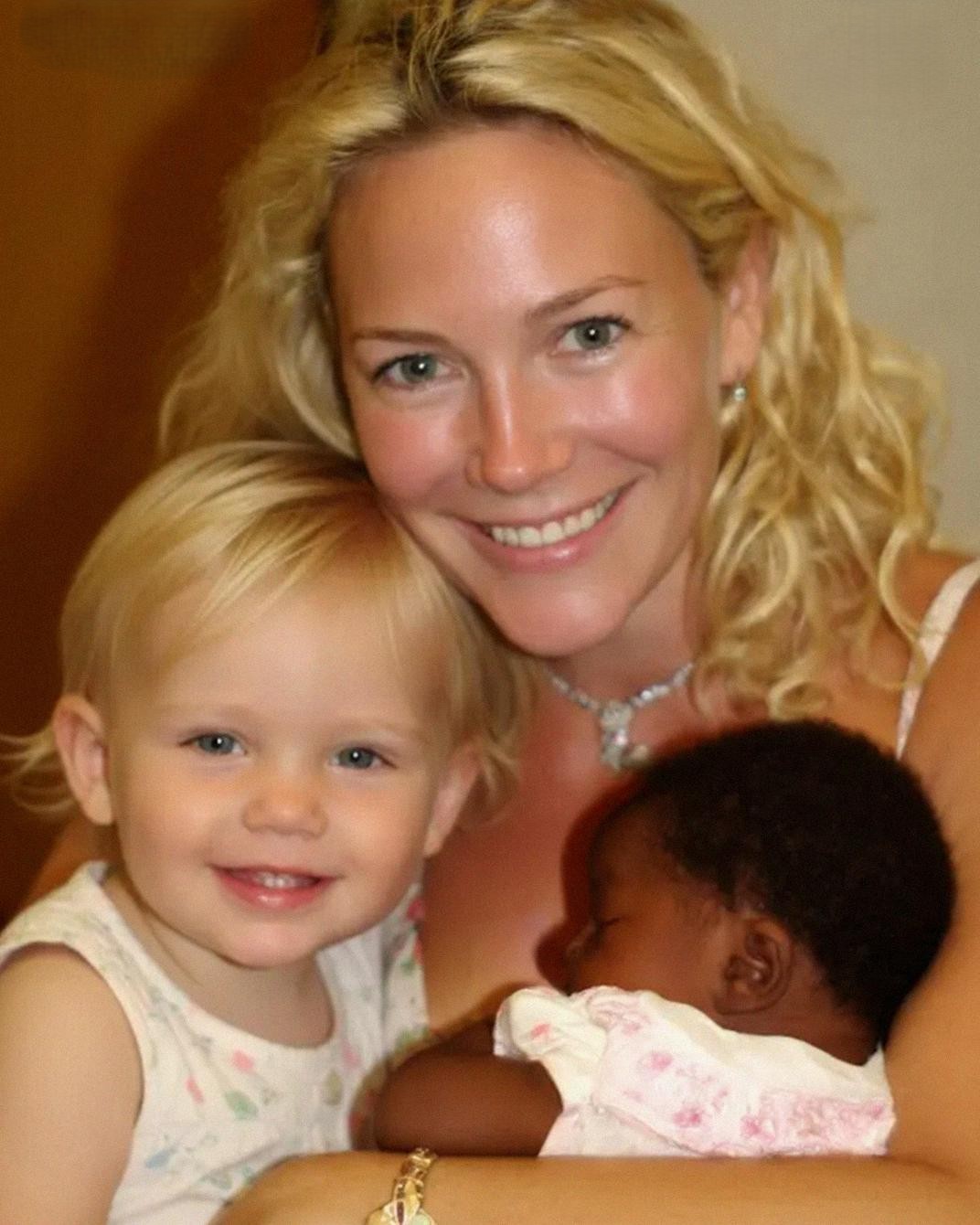
Ten months later, Stephanie arrived. She was a whirlwind from her first breath—pink, screaming, and fiercely alive. She filled the hollow spaces in our hearts with her demanding presence. But even in the heights of new motherhood, the memory of my bathroom-floor promise sat quietly beside me. I never told John about the specific words of my prayer, but on Stephanie’s first birthday, amidst the balloons and cake, I presented him with gift-wrapped adoption papers. Two weeks later, we brought Ruth home. She had been abandoned on Christmas Eve near the city’s grandest tree, a tiny, silent infant who couldn’t have been more different from her boisterous sister.
As the years passed, we were honest with the girls about their origins. We used the gentle shorthand of many adoptive families: Ruth grew in my heart, while Stephanie grew in my belly. For a long time, that explanation was enough for them. But as they entered their teenage years, the inherent differences in their temperaments began to create a dangerous friction. Stephanie was a storm of confidence, a girl who commanded every room and excelled at everything she touched. Ruth was a quiet observer, an old soul who studied the moods of others to figure out how to best disappear. She was kindness personified, but in the shadow of Stephanie’s brilliance, kindness often felt invisible.
The rivalry between them grew teeth as they reached seventeen. It wasn’t just the typical bickering over clothes or friends; it was a deep, tectonic shift in the foundation of our family. Stephanie accused Ruth of being babied and fragile, while Ruth resented Stephanie’s constant need for the spotlight. I tried to treat them equally, but I soon realized that treating two different hearts the same way isn’t always fair. Loving them with the same intensity didn’t mean they experienced that love in the same way.
The breaking point arrived on the night of their senior prom. I stood in the doorway of Ruth’s room, my phone ready to capture the traditional photos of her in her gown. She looked ethereal, but her face was a mask of cold fury. Before I could offer a compliment, she told me I wasn’t coming to see her off, and that after the dance, she was leaving for good. My heart stopped. When I pressed her for a reason, the truth came out like a physical blow.
“Stephanie told me the truth about why you got me,” Ruth said, her voice trembling. “She told me about your prayer. That I was just a deal you made with God to get your real daughter. I’m just a payment, aren’t I?”
The room turned icy. I sat on the edge of her bed, the weight of a seventeen-year-old secret finally crushing me. I admitted that I had made the promise, but I tried to explain the nuance of a desperate heart. I told her about the bathroom floor, the five miscarriages, and the raw, unrefined grief that had led to that vow. I tried to explain that Stephanie didn’t cause me to adopt her out of obligation; rather, the love I felt for Stephanie had taught me that my heart had enough room for another. The promise had shown me the way, but the love was entirely hers.
But Ruth was seventeen and wounded, and at that age, the truth often matters less than the hurt. She left for prom alone and didn’t return that night. John and I sat at the kitchen table until dawn, the silence of the house magnified by her absence. As the sun began to rise, Stephanie emerged from her room, her face swollen from crying. She confessed that she had overheard me discussing the prayer on the phone with my sister months ago. In the heat of a particularly vicious argument with Ruth, she had weaponized that information, twisting it to make Ruth feel like an interloper. She hadn’t realized the weight of her words until the door slammed and the house went cold.
The next four days were the longest of my life. Every time the phone rang or a car slowed down in front of our house, I held my breath. John insisted she just needed time to process, but I feared I had lost my daughter to a ghost of a promise I should have shared with her years ago. On the fourth afternoon, I saw her through the front window, standing on the porch with her overnight bag, looking exhausted and small.
I opened the door before she could knock. She looked up at me with red-rimmed eyes and said the words that have haunted me ever since: “I don’t want to be your promise. I just want to be your daughter.”
I pulled her into my arms, holding her with a desperation that mirrored that night on the bathroom floor. I told her she had always been my daughter, vow or no vow. She finally let go, sobbing into my shoulder—not the quiet, controlled tears she usually shed, but the heavy, cleansing kind that shakes your entire frame. In that moment, the transactional nature of the past was washed away. We were no longer a mother, a biological daughter, and a “promised” child. We were just three broken people trying to find our way back to being a family.
What followed wasn’t an immediate fix. The sisters had to navigate the debris of their fight, and I had to learn how to be more transparent about the complexities of my past. But as the months turned into years, the friction began to ease. Ruth started to stand taller, realizing that her place in our home wasn’t a debt paid to the heavens, but a choice made out of a surplus of love. Stephanie learned the devastating power of words and became a more careful guardian of her sister’s heart. And I learned that a promise to God is a powerful thing, but the daily, messy, honest promise to a child is what truly makes a mother. We moved forward not because the past was forgotten, but because we finally decided to tell the whole story together.