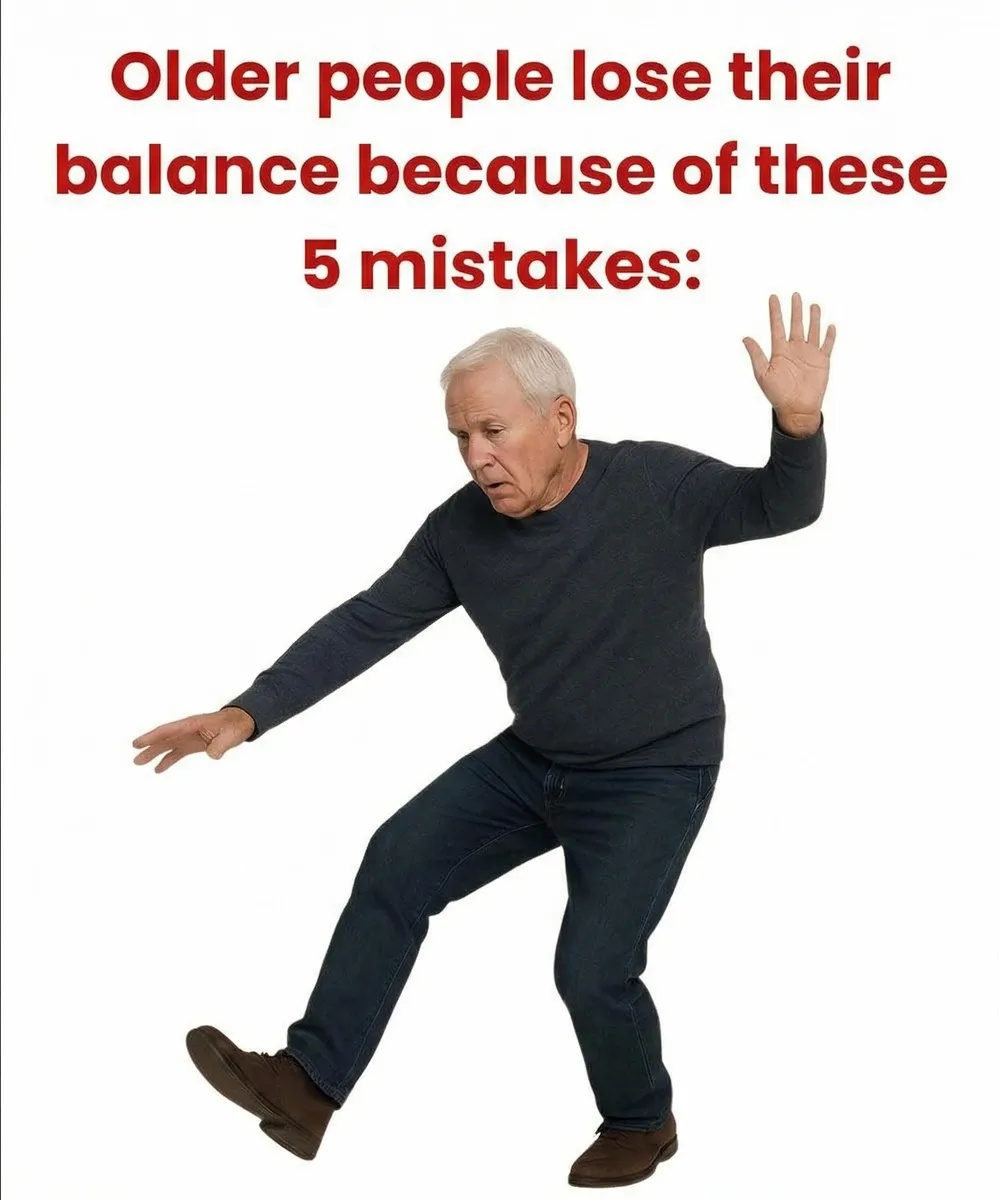
Balance problems rarely appear overnight. For most people, especially older adults, the sense of feeling unsteady develops slowly. A slight wobble here, a cautious step there, a growing hesitation when standing up or walking on uneven ground. Because the change is gradual, many accept it as an unavoidable part of aging. In reality, balance issues are often influenced by everyday habits that quietly weaken the body’s ability to stay stable.
The encouraging truth is that balance can often be improved. Small, consistent lifestyle adjustments can strengthen muscles, sharpen coordination, and restore confidence. Paying attention to how the body moves, how it’s fueled, and how the surrounding environment is set up can significantly reduce the risk of falls and help maintain independence.
One of the most common contributors to balance difficulties is reduced movement. As people age, they often become less physically active without fully realizing it. Long periods of sitting, fewer daily walks, and avoiding movement out of fear of falling can weaken the muscles that keep the body upright. The legs, hips, core, and lower back all play a critical role in balance. When these muscles lose strength, even simple actions like standing from a chair or stepping off a curb can feel unstable.
Improving balance does not require intense exercise or gym memberships. Consistent, gentle movement is far more effective than occasional bursts of effort. Daily walks help maintain leg strength and coordination. Stretching keeps joints flexible. Light strength exercises support muscle tone. Activities such as yoga or tai chi are particularly effective because they focus on controlled movements, posture, and body awareness. Starting slowly and building gradually allows the body to adapt safely while reducing fear.
Footwear is another factor that directly affects stability. Shoes that are worn out, poorly fitted, or designed more for appearance than function can increase the risk of slipping or misstepping. Loose shoes, soft soles, or slick bottoms reduce the connection between the foot and the ground. Stable, well-fitting shoes with non-slip soles and good arch support provide a firm foundation for every step. This applies indoors as well as outdoors, where many people underestimate the risk of walking in socks or loose slippers.
Nutrition and hydration also influence balance more than many realize. Dehydration can lead to dizziness, fatigue, and drops in blood pressure, all of which affect stability. Even mild dehydration can make the body feel weak or lightheaded. Drinking water regularly throughout the day supports circulation, muscle function, and mental clarity.
Equally important is proper nutrition. Skipping meals or relying on low-nutrient foods can leave the body without the energy it needs to function smoothly. Balanced meals that include fruits, vegetables, whole grains, and adequate protein help maintain muscle strength and endurance. Protein is especially important for preserving muscle mass, which naturally declines with age. For individuals managing medical conditions or dietary restrictions, guidance from a healthcare professional can help ensure nutritional needs are met safely.
Vision and hearing play a crucial role in balance as well. The brain relies on visual cues and sound to understand where the body is in space. Changes in eyesight can make it harder to judge distances, see obstacles, or navigate uneven surfaces. Hearing loss can affect spatial awareness and reduce the brain’s ability to detect environmental cues. Regular eye and hearing checkups help identify changes early. Using glasses, hearing aids, or updated prescriptions when needed can noticeably improve confidence and stability.
Medication use is another often-overlooked factor. Some medications, especially when combined, can cause side effects such as dizziness, drowsiness, or slowed reaction time. These effects may subtly affect balance without being immediately obvious. Reviewing medications periodically with a healthcare provider helps identify potential interactions or side effects that could contribute to unsteadiness.
The home environment itself can either support balance or quietly undermine it. Many falls happen not because of physical weakness alone, but because of avoidable hazards at home. Loose rugs, cluttered walkways, uneven flooring, and poor lighting all increase the risk of tripping. Furniture that shifts easily or sits too low can make standing and sitting more difficult.
Simple home adjustments can dramatically improve safety. Securing rugs, clearing pathways, improving lighting, and installing grab bars in bathrooms provide immediate benefits. Nightlights reduce the risk of falls during nighttime trips. Keeping frequently used items within easy reach minimizes the need for stretching or climbing. Focusing first on high-traffic areas such as hallways, bathrooms, and kitchens delivers the greatest impact.
Another habit that affects balance is rushing. Moving too quickly, especially when standing up or turning suddenly, can cause momentary dizziness or loss of balance. Taking a brief pause when rising from a chair or bed allows blood pressure to adjust and reduces the risk of feeling lightheaded. Slowing down movements doesn’t mean giving up independence; it means moving with intention and control.
Confidence also plays a role. Fear of falling can lead to stiffness, hesitation, and reduced movement, which ironically increases fall risk over time. Building balance is as much mental as it is physical. Positive experiences with movement, supported by safe habits and environments, help rebuild trust in the body’s ability to move securely.
Balance care is not about drastic changes or perfection. It’s about stacking small, practical habits that support the body over time. Staying active in gentle ways, wearing supportive footwear, eating well, staying hydrated, maintaining vision and hearing health, reviewing medications, and making the home safer all work together. Each adjustment reinforces the others.
The goal is not to eliminate all risk, but to reduce unnecessary risk while preserving independence and quality of life. With consistent attention and thoughtful choices, balance can be strengthened, confidence can grow, and daily movement can feel safer and more comfortable.
Stability is built step by step. By addressing everyday habits with care and intention, it becomes possible to move through life with greater ease, security, and confidence—one steady step at a time.
Leave a Reply